
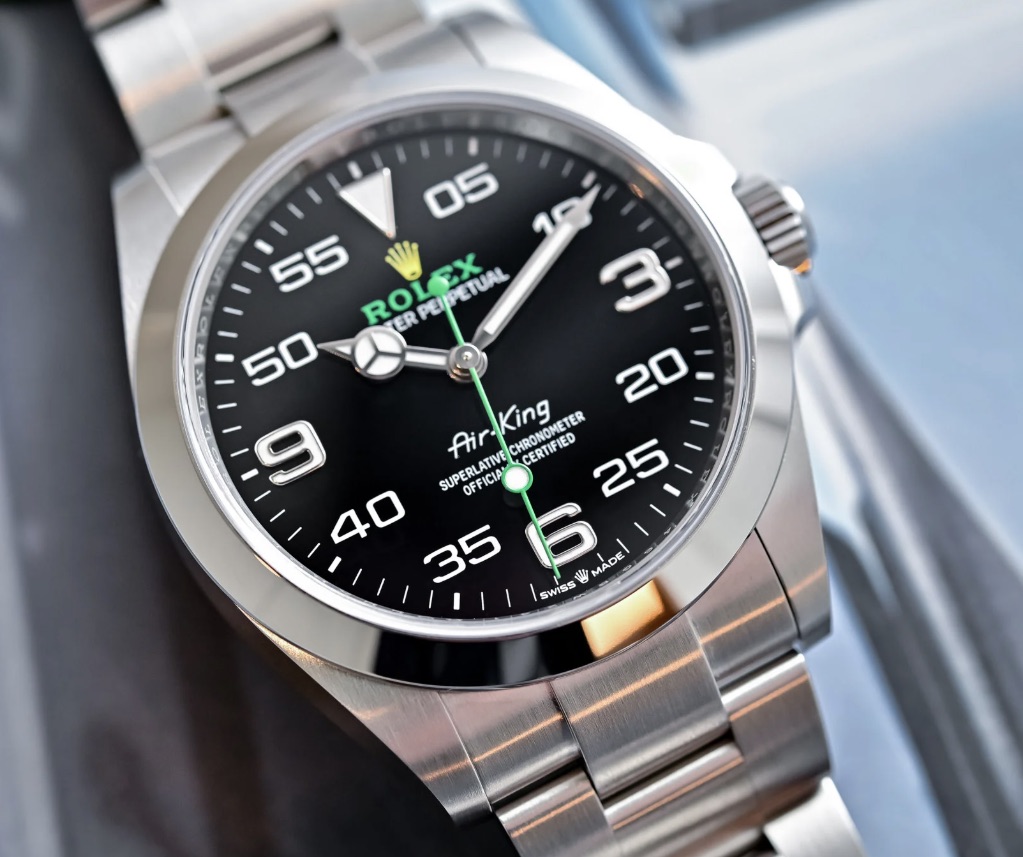
In the UK, many people approach replica watches with reasonable expectations,yet still end up dissatisfied. This usually isn’t due to deception or poor intent,but to small misjudgements made early in the decision process.
These misjudgements are common, repeatable, and often avoidable once understood.
Assuming Visual Accuracy Equals Long-Term Satisfaction
One of the most frequent mistakes is prioritising visual resemblance above everything else.
While appearance matters, it is rarely the factor that determines whether a watch is worn regularly.
UK buyers often discover that a watch can look convincing yet still feel wrong after extended wear.
What tends to be overlooked
- how the case weight distributes across the wrist
- whether the bracelet flexes naturally during movement
- how the watch behaves under everyday clothing
These details become decisive over time.
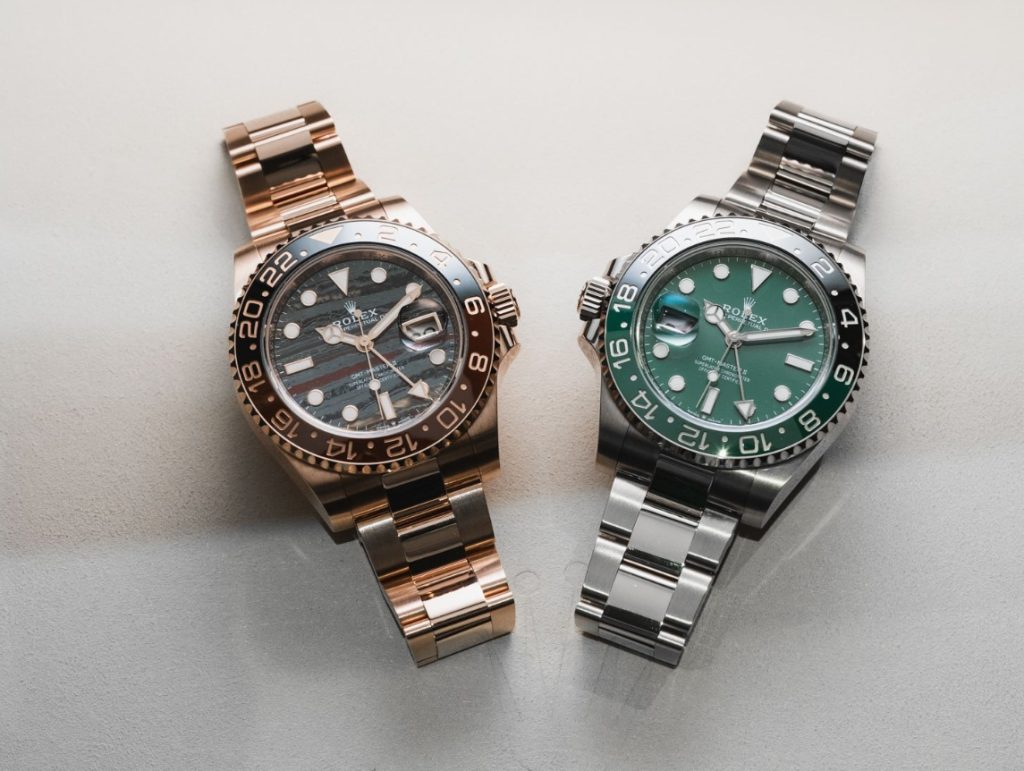
Overvaluing Technical Descriptions
Specifications are helpful, but they do not tell the full story.
UK buyers sometimes rely too heavily on measurements, materials, and movement names,assuming these guarantee satisfaction.
In practice, real-world behaviour matters more than written descriptions.
A watch that feels comfortable, stable, and predictable often outperforms one with impressive technical claims.
Believing Price Alone Signals Quality
Another common assumption is that higher price automatically equals better experience.
While extremely low prices can indicate compromise,higher prices do not always guarantee usability.
UK buyers frequently report that their most-worn watches are not the most expensive ones,but the ones that feel easiest to live with.
Underestimating the Bracelet’s Influence
Many buyers focus on the case and dial,assuming the bracelet is a minor detail.
In reality, the bracelet shapes the entire wearing experience.
- Stiff links reduce comfort
- Noisy movement becomes distracting
- Poor articulation causes fatigue
Over weeks of wear, these issues outweigh visual appeal.
Expecting One Watch to Fit Every Situation
Some buyers assume a single watch must perform perfectly across all settings—work, social events, travel, and leisure.
In practice, the watches that succeed long-term are those that fit most situations reasonably well,rather than all situations perfectly.
This balance is often overlooked during early research.
Choosing Sellers Based on Claims Rather Than Patterns
UK buyers sometimes focus on bold claims,overlooking consistency across a seller’s wider offering.
Experienced buyers instead look for patterns:
- similar finishing across multiple models
- clear, restrained presentation
- absence of exaggerated language
This is why some buyers keep returning to a UK watch site known for steady, repeatable quality during research—not to chase novelty,but to confirm expectations.
Confusing Novelty With Satisfaction
New purchases often feel exciting,but excitement fades quickly.
UK buyers who confuse novelty with satisfaction tend to cycle through watches rapidly,rarely settling into long-term use.
Those who prioritise comfort and balance experience fewer regrets.
Learning Happens Through Wear, Not Reading
No amount of research replaces wearing a watch over time.
UK buyers consistently report that real understanding emerges only after weeks of daily use.
This learning process naturally refines future choices.
Why Fewer Mistakes Lead to Better Collections
As misjudgements decrease,collections tend to shrink.
Rather than owning many watches,buyers keep a small number they genuinely enjoy wearing.
A More Informed Market Emerges
The UK replica watch market is gradually becoming more informed.
Buyers are learning from shared experience,adjusting expectations,and making calmer decisions.
Understanding these common misjudgements helps reduce disappointment and leads to choices that feel right long after purchase.